Click below to listen to my review
This I Know: Marketing Lessons from Under the Influence, with Terry O’Reilly

A show for data-based marketers
A series profiling recent books in the field.
Click below to listen to my review
Here’s a question a lot of us are asking ourselves today. How do marketers build genuine, durable trust when the cost of generating massive volumes of AI content is basically zero? How can you argue for making humanly-crafted content in small quantities When it’s so easy to have AI pump it out in big quantities?
The hard truth is that humans are wired to notice what other humans do. Meaningful communication with buyers contains elements that just don’t scale – this takes more than a trivial amount of work. But that is precisely why you need to do them.
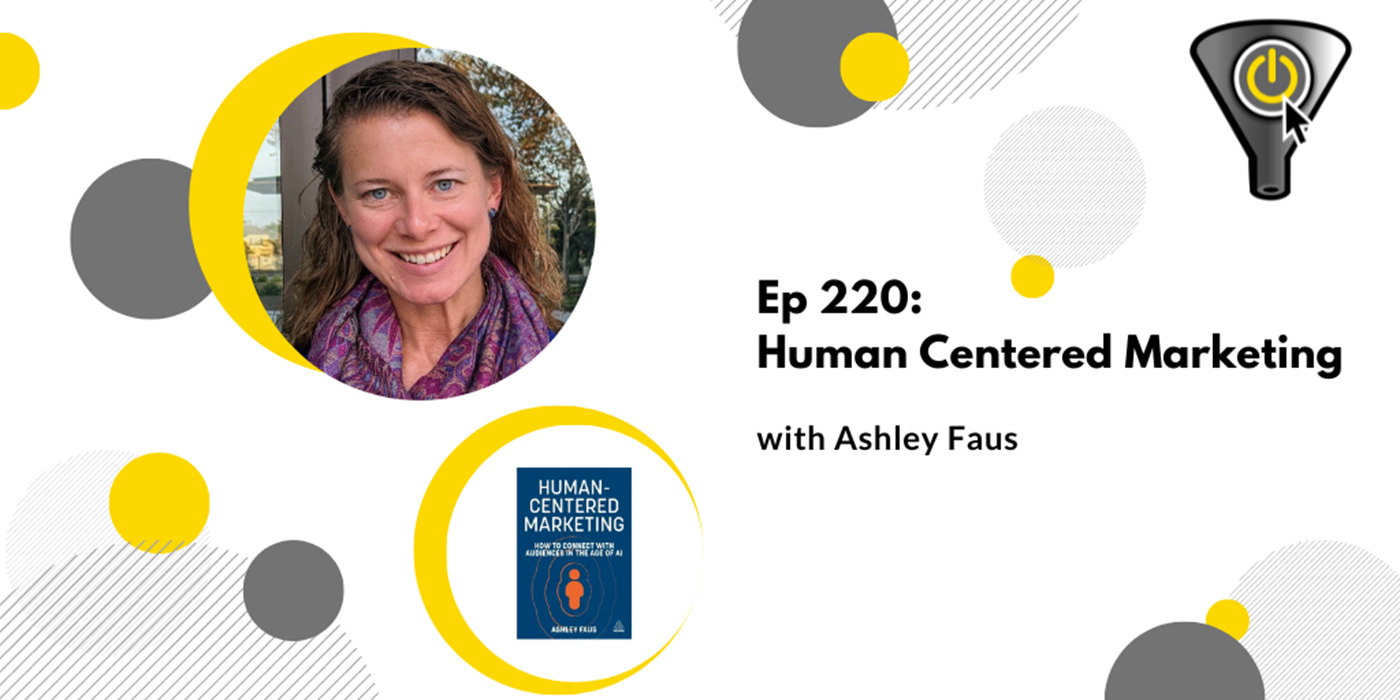
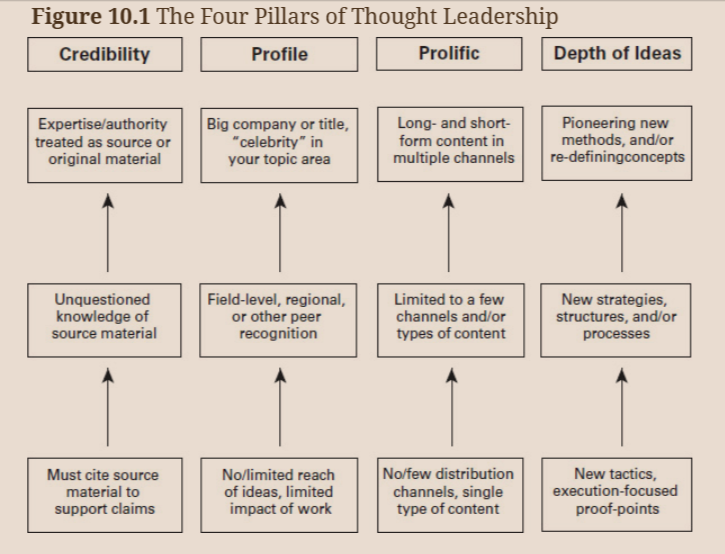
A new book came out in 2025, called Human Centered Marketing: How to Connect with Audiences in the Age of AI. Even though Gen AI that’s all around looks set to marginalize content marketing, this book predicts that AI’s knock-on effects will bring old retro practices back into vogue. If Wired Magazine were to meme it using their Wired/Tired/Expired phrasing, it might say that
Humans Interacting with no machines = Expired
Machines Monopolizing Interactions = Tired
Human-Human interaction via Machine = Wired
The book also argues that marketing & communications folks have to make different types of content for segments of the buyer journey, all held to different goals and different time horizons. Don’t dump random content on social channels. Like instruments in a score, your pieces need to work together—not add noise.
It also said being Human-Centered extends to where and how we use our messages. Our leaders have to go to trade shows, make podcasts, meet people, and have real conversations. Trust grows when customers feel seen and heard.
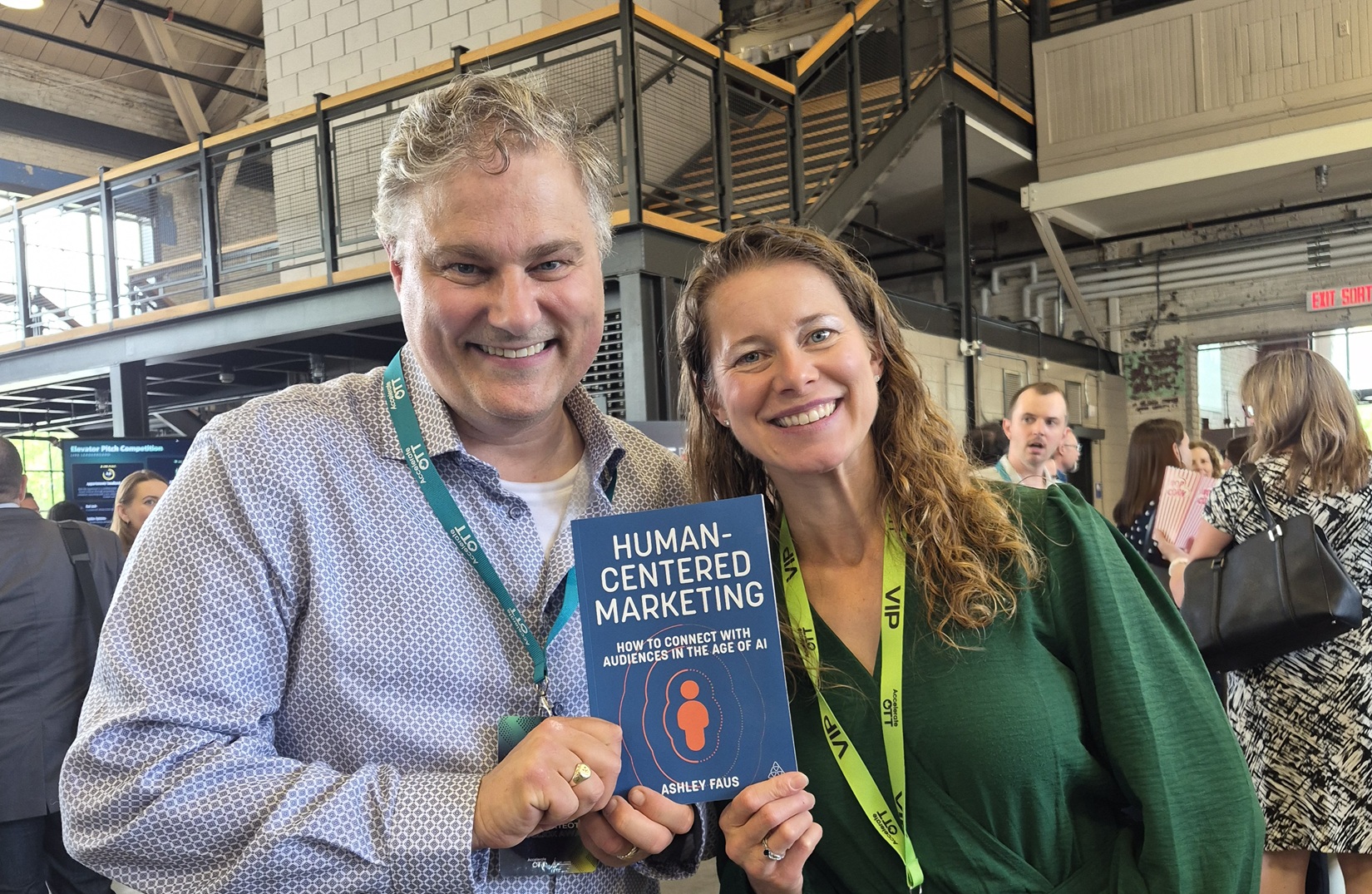
The author of the book is by day, a speaker and is currently Head of Lifecycle Marketing at Canva. By night, she’s a Singer, actor, and fitness fiend. Let’s go to Northern California to talk with Ashley Faus.
Chapter Timestamps
0:00:00 Ashley Faus, a Human-Centered Marketer
0:03:59 Rebuilding Trust with Transparency and Substantive Content
0:09:47 Understanding and Speaking Your Audience’s Insider Language
0:15:07 Replacing the Funnel with the Playground Methodology
0:19:10 Avoiding Goodhart’s Law: Metrics and Broken Trust
0:26:03 The Power of Non-Scalable Human Connections
0:32:14 From Broadcast to Community on Social Media
0:38:21 The Indispensable Human Element: Thoughts and Relationships
0:44:43 Differentiating Thought Leaders, SMEs, and Influencers
0:51:48 Creating Rigorous, Impactful Content
People/Products/Concepts Mentioned in Show
Book: Human Centered Marketing
Ashley on LinkedIn
Case study on Michelle Raymond, who previously appeared on Ep 80
Excerpt from episode 214
Excerpt from Episode 175
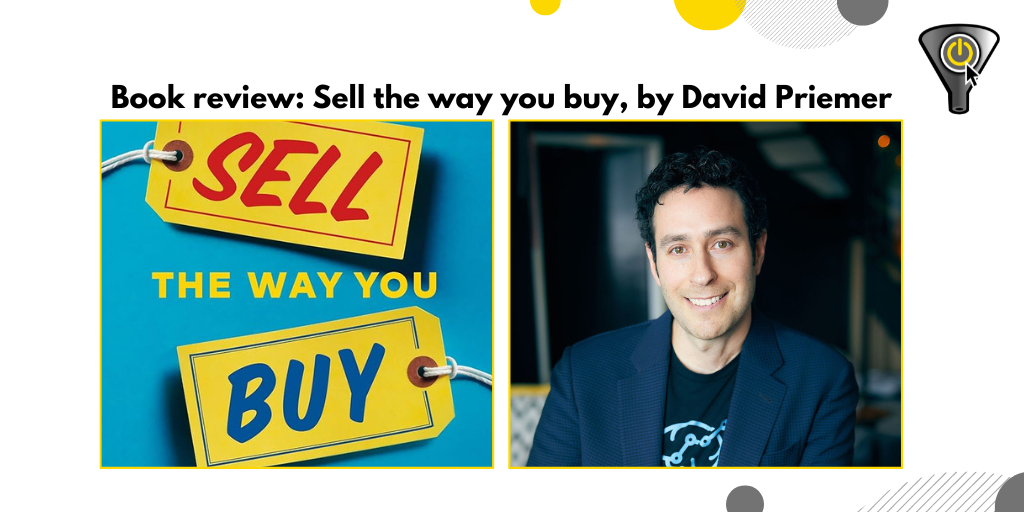
Excerpt from Episode 175
This book’s premise may get a ‘duh’ reaction out of you, but much in sales is dictated by how a buyer feels. Reality is, few of us have the EQ to know what we’re feeling, and our lazy brains don’t want to think too hard about a purchase. To Priemer, it’s the salesperson’s job to help the buyer work through their own thoughts & feelings.
Elements of this book reminded me of ‘Stumbling on Happiness,’ ‘Making Websites Win’ and ‘This I Know’ and none of those is a sales book.
Love this line “Sellers operate as though their buyers are out there sitting idle, just waiting for a solution like theirs to appear on their doorstep. Of course that is (sadly) not the case.”
Another nugget, “most companies think they are selling a pain killer, but their messaging sounds like they’re selling vitamins.”
One of the book’s major messages is that beliefs matter. “First, consider what your organization believes to be its key offering, the thing that differentiates it from your competition. Next craft a statement or series of statements you can use across your sales and marketing efforts, beginning with the phrase “We believe” or “At our company, we believe that” to tell the story…..And if your customers believe what you believe, they will undoubtedly lean in and say, “Tell me more!”
When you insert your own product into the ‘beliefs’ story, say how it solves the problem in a way that circumvents typical solutions (e.g. throwing a lot of money at a problem). By doing so, you’re pre-emptively handling their objections.
His scenarios on Discovery Questions and Objection Handling are excellent. I’d recommend someone who needs practice (and who’s not getting it through real world experience) to read this book.